How Alcohol Affects Your Memory and Focus
| Short answer | Alcohol slows brain signalling, disrupts the brain's memory-forming region, and wrecks sleep — so recall and focus dip during and after drinking. |
| Why it happens | It interferes with the hippocampus (where memories form) and suppresses restorative REM sleep, leaving you under-rested and foggy. |
| Fastest fix | Rehydrate, eat well, get daylight and gentle movement, and protect tonight's sleep to recover. |
| Longer game | Drink less and less often; support clear thinking with steady sleep, good food and B-vitamins. |

Most of us have felt it: the pleasant looseness of the first drink, then the fuzzy edges of the evening, then a morning where thinking feels like wading through treacle. Alcohol is woven into social life, and an occasional drink is a personal choice — but it is worth understanding what it actually does to the mind, because the effect on memory and focus is larger and longer-lasting than the buzz suggests. If you have wondered how alcohol affects your memory and focus, the short answer is that it works against both, in the moment and well into the next day.
This guide explains, in plain language, why a few drinks cloud recall, how alcohol quietly sabotages the sleep your brain relies on, and the everyday habits that keep your mind clear. It is general information rather than medical advice, and it is not about lecturing — just about knowing what is happening so you can make choices that fit the sharpness you want.
How alcohol affects your memory: interrupting the recorder
Alcohol is a depressant, meaning it slows down communication between brain cells. At the heart of its effect on memory is a small, seahorse-shaped region called the hippocampus — the brain's memory-forming hub, responsible for turning experiences into lasting records. As blood-alcohol rises, the hippocampus becomes less able to do this job. In effect, the recorder stops. That is why the details of a boozy evening can feel patchy the next day: it is not that you forgot them, but that they were never properly stored in the first place.
Push intake higher or faster and this can escalate to a blackout — a stretch of time for which no memories exist at all, even though the person appeared to be functioning. Blackouts are a stark illustration of the underlying mechanism: recording simply switched off for a while. Even well short of that, moderate drinking measurably blunts the ability to take in and hold new information, which is why trying to learn or concentrate after a couple of drinks feels like an uphill battle.
Focus goes first
Before memory is affected, attention takes a hit. Alcohol slows reaction time, narrows attention and impairs the judgement and self-monitoring that keep you on task. Even amounts too small to feel obviously "drunk" can leave focus duller and more scattered than usual. This is the same reason drinking and demanding mental work do not mix — the very faculties you need are the first to be dialled down.
The bigger cost: how alcohol wrecks your sleep
Here is the part many people miss. Alcohol's most damaging effect on next-day memory and focus may not be the direct hit at all — it is what it does to sleep. A nightcap can help you fall asleep faster, which fools people into thinking it helps. But as the alcohol is processed overnight, it fragments the second half of the night and strongly suppresses REM sleep, the restorative stage tied to memory consolidation and emotional balance.
So even if you clock your usual hours, the quality is poor: you wake under-rested, with the slow, heavy, foggy thinking that defines a hangover as much as any headache. Because the brain does its memory filing during sleep, a disrupted night means yesterday's learning is poorly consolidated too. For the full picture of that overnight process, see our guide on how lack of sleep affects your memory and focus — alcohol is one of the most common ways good intentions about sleep quietly come undone.

Why the next-day fog is so heavy
A hangover is a stack of insults to clear thinking at once: dehydration, disrupted and REM-starved sleep, blood-sugar swings and low-grade inflammation. Each of these on its own can cloud focus; together they explain why the morning after can feel like true brain fog. If you want to understand the dehydration strand specifically, our guide on can dehydration cause brain fog shows why rehydrating is one of the fastest ways to feel human again.
Give your recovery day a clearer edge
On the mornings you are paying for last night, support your focus from a steadier place. SynaBoost™ combines a high-potency B-vitamin complex with botanical brain actives in one simple daily capsule to support clear, steady thinking — backed by a 60-day money-back guarantee.
See SynaBoost Packages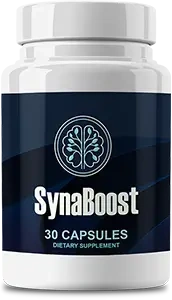
The everyday habits that keep your mind clear
You do not have to be teetotal to protect your focus — but a few sensible habits make a real difference to how clear you feel.
Fast wins (the next morning)
- Rehydrate: water first thing helps counter the dehydration behind much of the fog.
- Eat a balanced meal: protein, whole grains and vegetables steady blood sugar and energy.
- Get daylight and move: a short walk outside lifts alertness without a crash.
- Prioritise the next night's sleep: a proper night helps the brain catch up on its filing.
Steady habits (this month)
The most effective change is simply drinking less and less often. Alcohol-free days, smaller amounts when you do drink, alternating alcoholic drinks with water, and never using alcohol as a sleep aid all pay off in clearer mornings and steadier focus. Because heavy, regular drinking is linked with lasting effects on memory and thinking, cutting back is one of the highest-value moves for your long-term brain health. For a full routine that ties the pieces together, see our guide on how to improve focus and memory naturally.
Where nutrients and botanicals fit in
Alcohol can deplete some of the nutrients the brain relies on, particularly certain B-vitamins — and the Bs, especially B1 (thiamine), B6 and B12, support normal energy metabolism and nervous-system function. Topping them up steadily is a sensible foundation, though it never substitutes for cutting back. Alongside them, botanicals with a long history of traditional use include Bacopa monnieri, studied for supporting memory with consistent use; Rhodiola rosea, an adaptogen valued for supporting resilience and stamina through tiring days; and Huperzia serrata, a natural source of Huperzine-A traditionally used to support clarity. These complement sensible habits rather than replacing them. Rather than assembling separate jars, many people prefer a single daily formula — the idea behind SynaBoost, which brings a B-vitamin complex together with these botanicals in one capsule.
One simple capsule, ten brain actives
Support clear, steady thinking on your good days and your recovery days alike. SynaBoost™ packs a B-vitamin complex and botanical brain actives into a single once-daily capsule — backed by a 60-day money-back guarantee.
Order SynaBoost Today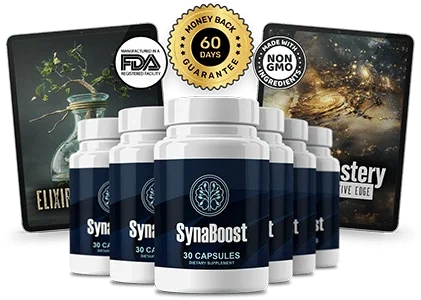
When to see a doctor
Occasional next-day fog after a night out is ordinary and resolves with rest and water. But some signs deserve professional attention. Speak to a healthcare professional if you find it hard to cut down despite wanting to, if you experience frequent blackouts, if memory or concentration problems persist even on days you are not drinking, or if you rely on alcohol to sleep or cope with stress. A doctor can offer support, check for nutrient deficiencies such as thiamine, and rule out other causes. Reaching out early is a sign of good sense, not weakness — and support is available.
The bottom line
How alcohol affects your memory and focus comes down to two things: it interrupts the brain's memory recorder in the moment, and it robs you of the restorative sleep your mind needs to consolidate and reset. The next-day fog is real, and regular heavy drinking carries longer-term costs. The good news is that the lever is entirely in your hands — drink less and less often, rehydrate and protect your sleep, eat well and keep your B-vitamins steady, and your mind rewards you with clearer, sharper days.
FAQ
How does alcohol affect memory and focus?
Alcohol slows the brain's signalling and interferes with the hippocampus, the region that forms new memories, so recall of the evening becomes patchy. It also fragments sleep, when the brain files memories, so focus and recall suffer the next day too. Even modest amounts can leave thinking slower and more scattered than usual.
Why can't I remember things after drinking?
As blood-alcohol rises, it disrupts the hippocampus's ability to lay down new memories. In effect the brain stops recording, which is why gaps and full blackouts happen after heavier or fast drinking — the memories were never stored, so there is nothing to recall later. This is different from ordinary forgetting.
Does alcohol cause brain fog the next day?
Yes. A hangover is partly dehydration and disturbed sleep, both of which cloud thinking. Alcohol suppresses restorative REM sleep even when you sleep the usual hours, so you wake under-rested with slower, foggier focus. Cutting back and rehydrating usually clears next-day fog.
Does moderate drinking hurt the brain?
Even moderate drinking can affect sleep quality and next-day sharpness, and current guidance leans toward less being better for overall health. Occasional, moderate drinking has a smaller impact than regular heavy drinking, which is linked with lasting effects on memory and thinking. For clear day-to-day focus, keeping intake low helps.
What helps memory and focus after drinking?
Rehydrate with water, eat a balanced meal, get daylight and gentle movement, and prioritise a good night's sleep to recover. Over time, drinking less and less often is what protects memory and focus most. B-vitamins support normal energy metabolism and nervous-system function, and botanicals such as Bacopa monnieri and Rhodiola rosea are traditionally used to support clarity and resilience, complementing sensible habits.
References
- National Institute on Alcohol Abuse and Alcoholism (NIAAA) — Alcohol and the brain. niaaa.nih.gov
- Harvard Health Publishing — Alcohol, sleep and health. health.harvard.edu
- National Institutes of Health, Office of Dietary Supplements — B Vitamins consumer fact sheets. ods.od.nih.gov
- Examine.com — independent research summary on Bacopa monnieri and memory. examine.com/supplements/bacopa-monnieri
- PubMed (U.S. National Library of Medicine) — research literature on alcohol, memory and sleep. pubmed.ncbi.nlm.nih.gov
† These statements have not been evaluated by the Food and Drug Administration. This product is not intended to diagnose, treat, cure or prevent any disease. This article is for general information only and is not medical advice. If you are pregnant, nursing, taking medication or have a health condition, consult your physician before starting any supplement.