Best Vitamins for Brain Fog and Memory
| Short answer | The nutrients most tied to clear thinking are the B-vitamins (B12, B6, folate), plus vitamin D, omega-3, magnesium and iron. |
| Why it matters | They power energy metabolism and nervous-system function — the machinery behind focus and memory — and gaps are a common, fixable cause of fog. |
| Fastest fix | Eat for these nutrients today: oily fish, eggs, greens, beans and whole grains; get a little daylight. |
| Longer game | Cover genuine gaps with a steady B-vitamin complex and vitamin D, alongside good sleep and hydration. |

When thinking feels cloudy, one of the first questions people search is which vitamin might fix it. It is a reasonable instinct: the brain is a hungry, chemically demanding organ, and it genuinely does depend on a steady supply of specific nutrients to fire cleanly. But the honest picture is more nuanced than "take this pill and the fog lifts." The best vitamins for brain fog and memory are the ones you are actually short of — and for most people, a handful of everyday nutrients do the heavy lifting.
This guide walks through the nutrients most closely tied to clear thinking, why a shortfall clouds focus and recall, and how to cover your bases with food first and sensible supplements second. It is general information rather than medical advice, but it will help you spot the gaps worth closing and skip the ones that are mostly marketing.
The best vitamins for brain fog and memory: the core group
Rather than an endless shopping list, a small group of nutrients does most of the work behind mental clarity. Here they are, and why each one matters.
The B-vitamins — the brain's workhorses
If any single nutrient family deserves top billing for clear thinking, it is the B-vitamins. They support normal energy metabolism — turning food into usable fuel for energy-hungry brain cells — and normal nervous-system function, and the body relies on them to make and regulate the chemical messengers behind mood and focus. Three stand out. Vitamin B12 is essential for healthy nerves and the production of red blood cells that carry oxygen to the brain; a shortfall is a well-known contributor to tiredness and cloudy thinking, and it is especially common in older adults and people who eat little animal food. Folate (B9) and vitamin B6 work closely with B12 in the pathways behind neurotransmitters and healthy nerve function. Others, like B1 (thiamine), are central to how the brain uses energy. Because the Bs work as a team, a broad shortfall tends to show up as exactly the low-energy, foggy state so many people describe.
Vitamin D — the one many people miss
Vitamin D is best known for bone health, but receptors for it are found throughout the brain, and low levels are widespread — particularly in darker months and for people who spend most of their time indoors. Deficiency is associated with low mood and fatigue, both of which colour how clearly you think. Because we make it from sunlight and few foods are rich in it, vitamin D is one of the nutrients most worth checking and, if low, topping up.
Omega-3 fats, magnesium and iron
Beyond the vitamins themselves, three more nutrients round out the picture. Omega-3 fatty acids (from oily fish) are structural building blocks of brain-cell membranes and support healthy brain function. Magnesium is involved in hundreds of reactions, including those behind nerve signalling and relaxation, and many people fall short. Iron carries oxygen in the blood; low iron is a classic, often-overlooked cause of fatigue and poor concentration, especially in menstruating women. A shortfall in any of these can masquerade as brain fog. For the food side of this, our guide to the best foods for brain health and memory shows exactly where to find them on your plate.
Why a shortfall clouds thinking — and why more is not always better
The reason gaps matter is simple: these nutrients are not optional extras but the raw materials and spark plugs of a working brain. Run low on B12, folate, iron or vitamin D and the systems behind energy, oxygen delivery and chemical messaging all run less smoothly, which registers as fatigue, low mood and cloudy focus. This is why correcting a genuine deficiency can feel dramatic — you are not enhancing a healthy brain, you are removing a brake.
The flip side matters just as much. If your levels are already adequate, taking more of a vitamin generally will not supercharge a healthy brain, and with certain nutrients — iron and some fat-soluble vitamins in particular — more can even cause harm. The goal is sufficiency, not excess. That is why "the best vitamin for memory" is really "the vitamin you are actually short of," and why food-first, gap-filling beats megadosing. If your fog has other roots, our guide on what causes brain fog and how to get rid of it naturally puts nutrients in context alongside sleep, hydration and stress.
Who is most likely to have a gap
- B12: older adults, vegetarians and vegans, and people on certain long-term medications.
- Vitamin D: people in low-sunlight climates, those who cover up or stay indoors, and darker skin tones.
- Iron: menstruating women, pregnant women, and some plant-based eaters.
- Folate and B6: people eating few vegetables, pulses and whole grains.
- Omega-3: those who rarely eat oily fish or algae sources.
Cover the core in one capsule
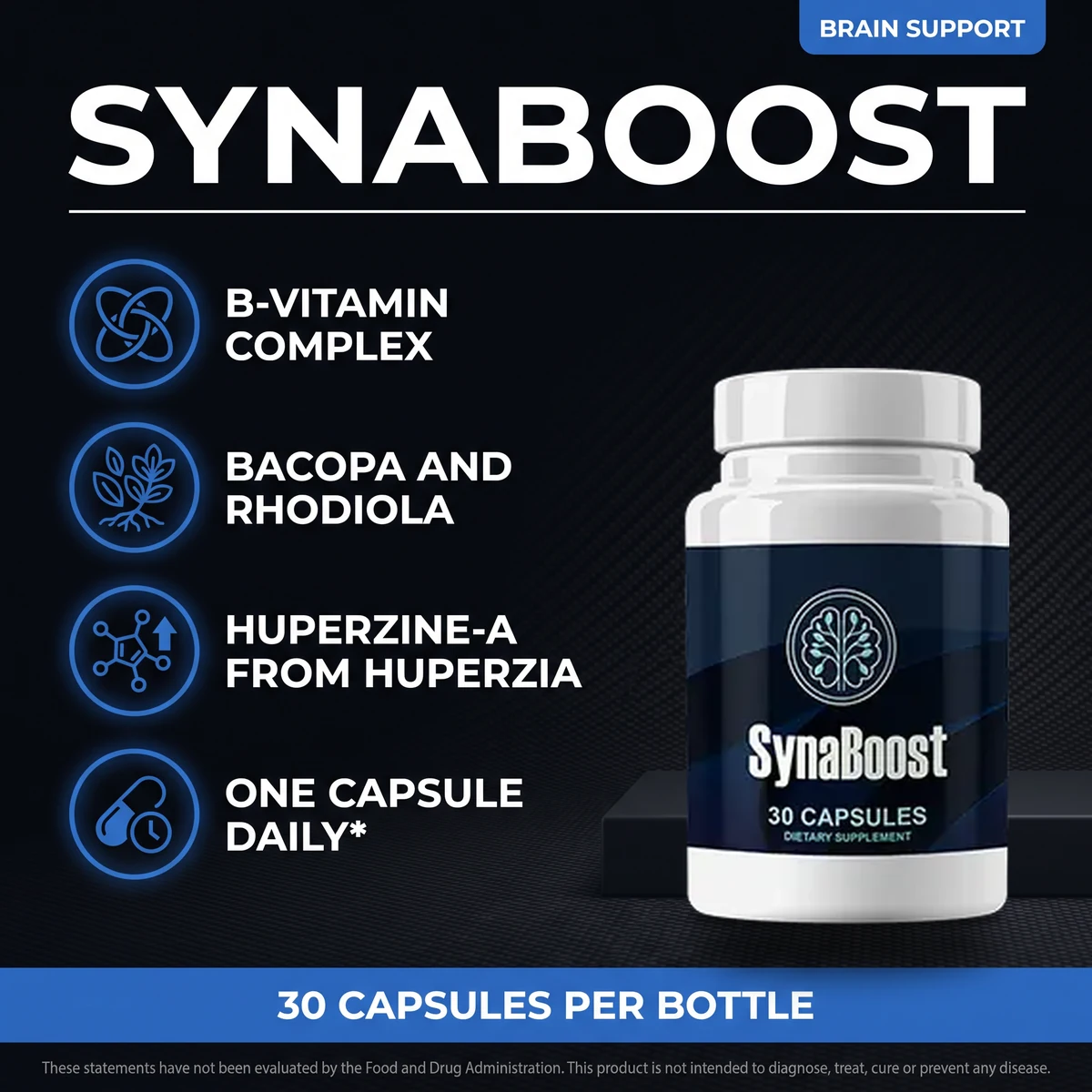
Getting a steady supply of the brain's key B-vitamins should not mean a cupboard full of jars. SynaBoost™ combines a high-potency B-vitamin complex with botanical brain actives in one simple daily capsule to support clear, steady thinking — backed by a 60-day money-back guarantee.
See SynaBoost Packages
Food first: how to get these nutrients naturally
Before reaching for supplements, it is worth knowing how much of this you can cover on your plate. A varied diet handles most needs comfortably.
Fast wins (today)
- Add oily fish: salmon, sardines or mackerel deliver omega-3s and vitamin D in one go.
- Eat the greens: spinach, broccoli and other leafy vegetables supply folate, magnesium and iron.
- Include eggs and dairy or fortified alternatives: handy sources of B12 and more.
- Reach for beans, nuts and whole grains: B-vitamins, magnesium and steady energy in one.
- Get a little daylight: a few minutes outside supports your vitamin D.
Steady habits (this month)
Variety is the real strategy: a wide range of vegetables, fruit, whole grains, pulses, eggs, oily fish and nuts across the week naturally covers the core brain nutrients without any counting. Pair good eating with the non-nutrient basics — steady sleep, hydration and movement — because even perfect nutrition cannot outrun chronic sleep loss. For a full routine that ties it together, see our guide on how to improve focus and memory naturally.
Where a supplement earns its place
Supplements are for closing genuine gaps, not replacing food. A B-vitamin complex is a sensible, low-risk base, since the Bs are water-soluble and work as a team; vitamin D makes sense for many people in low-sunlight months; and omega-3 helps if you rarely eat fish. Beyond the vitamins, botanicals with a long history of traditional use are often added for a daily edge: Bacopa monnieri, studied for supporting memory with consistent use; Rhodiola rosea, an adaptogen valued for supporting stress resilience and stamina; and Huperzia serrata, a natural source of Huperzine-A traditionally used to support clarity. Rather than assembling all of this from separate jars, many people prefer a single daily formula — the idea behind SynaBoost, which brings a B-vitamin complex together with these botanicals in one capsule.
One simple capsule, ten brain actives
Give your brain a steady daily supply of the nutrients it runs on. SynaBoost™ packs a B-vitamin complex and botanical brain actives into a single once-daily capsule to support clear, steady thinking — backed by a 60-day money-back guarantee.
Order SynaBoost Today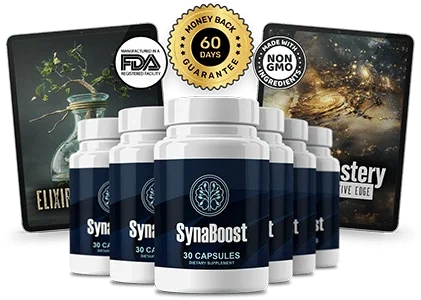
When to see a doctor
Everyday fog that eases when you eat, sleep and hydrate well usually needs no testing. But it is worth speaking to a healthcare professional if tiredness and cloudy thinking are persistent, worsening or come with other symptoms — breathlessness, pins and needles, hair or nail changes, or heavy periods — since these can point to a deficiency such as B12, iron or vitamin D that is best confirmed with a simple blood test. A professional can also advise on safe doses, check for interactions with any medication, and make sure you are not overdoing fat-soluble vitamins or iron. Getting persistent symptoms checked is sensible, not dramatic.
The bottom line
The best vitamins for brain fog and memory are the ones your body is genuinely missing — most often the B-vitamins, vitamin D, omega-3, magnesium or iron. Cover them from a varied diet first, top up real gaps with a sensible B-complex and vitamin D, and remember that no capsule outperforms good sleep, hydration and movement. Get the foundations right, close the gaps that matter, and add well-chosen botanicals if you want a daily edge — and you give your mind the raw materials it needs to stay clear.
FAQ
What vitamins help with brain fog and memory?
The nutrients most associated with clear thinking are the B-vitamins — especially B12, B6 and folate (B9) — along with vitamin D, omega-3 fats, magnesium and iron. They support normal nervous-system function and energy metabolism, the machinery behind focus and recall. Low levels of these are among the most common everyday, correctable contributors to cloudy thinking.
Can a vitamin deficiency cause brain fog?
It can contribute. Shortfalls in B12, folate, vitamin D or iron are well recognised as factors in tiredness and cloudy thinking, and correcting a genuine deficiency often lifts the fog. Vitamins are only one piece, though — sleep, hydration, blood sugar and stress matter too — so think of nutrients as one important strand among several.
Is it better to get brain vitamins from food or supplements?
Food first is the sound principle: a varied diet of vegetables, fruit, whole grains, oily fish, eggs, beans and nuts covers most needs. Supplements help fill genuine gaps — for example B12 for people eating little animal food, or vitamin D in low-sunlight months. A supplement tops up a good diet rather than replacing it.
Do B-vitamins really help memory and focus?
B-vitamins are essential for a working brain: they support normal energy metabolism and nervous-system function, and the body uses them to make and regulate the chemical messengers behind mood and focus. The clearest benefits come from correcting a shortfall. If your levels are already good, more will not supercharge a healthy brain, but keeping them steady is a sensible foundation.
What is the best supplement for brain fog?
There is no single magic pill. A steady supply of the core brain nutrients — a B-vitamin complex, plus vitamin D and omega-3 where diet falls short — is a sensible base. Some people add botanicals with a long history of traditional use, such as Bacopa monnieri and Rhodiola rosea, for clarity and resilience. These complement good food, sleep and hydration rather than replacing them.
References
- National Institutes of Health, Office of Dietary Supplements — Vitamin B12, Folate, Vitamin D and Iron fact sheets. ods.od.nih.gov
- Harvard T.H. Chan School of Public Health — The Nutrition Source: Vitamins and Minerals. nutritionsource.hsph.harvard.edu
- Harvard Health Publishing — Nutritional psychiatry and the brain. health.harvard.edu
- Examine.com — independent research summaries on Bacopa monnieri and Rhodiola rosea. examine.com/supplements/bacopa-monnieri
- PubMed (U.S. National Library of Medicine) — research literature on micronutrients and cognition. pubmed.ncbi.nlm.nih.gov
† These statements have not been evaluated by the Food and Drug Administration. This product is not intended to diagnose, treat, cure or prevent any disease. This article is for general information only and is not medical advice. If you are pregnant, nursing, taking medication or have a health condition, consult your physician before starting any supplement.