Best Foods for Brain Health & Memory: A Daily Eating Guide
| The big idea | No single food fixes memory — a steady, varied, mostly-whole-food pattern does the work. |
| Star foods | Oily fish, leafy greens, berries, eggs, nuts, seeds, legumes and whole grains. |
| Key nutrients | Omega-3s, B-vitamins (B6, B12, folate), choline, antioxidants and vitamin E. |
| Avoid | Sugar spikes, ultra-processed foods and skipped meals that crash your focus. |

Your brain is roughly two percent of your body weight but uses about twenty percent of your energy. It is, in other words, an extremely demanding organ — and what you put on your plate is one of the most direct ways to support it. The best foods for brain health and memory are not exotic or expensive. They are ordinary ingredients you can pick up on a normal grocery run, eaten consistently.
This guide covers the foods most consistently linked with sharper focus and clearer memory, the nutrients that make them useful, the eating habits that undermine your mind, and where a supplement sensibly fits. It is general nutrition information, not medical advice.
Why food matters so much for memory
Every thought you have is a chemical and electrical event, and the raw materials for those events come from your diet. Omega-3 fats help build the membranes of brain cells. B-vitamins help convert food into mental energy and support the neurotransmitters behind attention and mood. Antioxidants help defend brain tissue against everyday oxidative stress. And a steady supply of glucose — delivered evenly, not in sugary spikes — keeps the whole system running. Get these inputs right day after day, and you give your brain the best chance to function at its best.
The best foods for brain health and memory
1. Oily fish (salmon, sardines, mackerel)
Oily fish is the headline act for brain-supporting foods because it is the richest common source of the long-chain omega-3 fats EPA and DHA. DHA in particular is a major structural component of the brain. Aim for two portions a week. If you rarely eat fish, this is one of the most common nutrient gaps to be aware of.
2. Leafy green vegetables
Spinach, kale, rocket and other greens are packed with folate (a B-vitamin), vitamin K, lutein and other compounds studied in relation to slower age-related cognitive decline. They are also low-effort: a handful stirred into almost any meal counts.
3. Berries
Blueberries, blackberries and strawberries are rich in flavonoid antioxidants that give them their deep colour. These compounds are studied for their role in supporting memory and protecting brain cells from oxidative stress. Frozen berries work just as well as fresh and are cheaper year-round.
4. Eggs
Eggs deliver choline, a nutrient the body uses to make acetylcholine — a neurotransmitter central to memory and learning. They also supply B12 and quality protein, making them one of the most efficient brain-friendly breakfasts.
Cover the gaps your plate can’t
Even a great diet leaves common gaps — B12, steady B-vitamins, focus-supporting botanicals. SynaBoost™ brings a high-potency B-vitamin complex and ten brain actives into one daily capsule, with a 60-day money-back guarantee.
See SynaBoost Packages
5. Nuts and seeds
Walnuts, almonds, pumpkin seeds and flax provide vitamin E, healthy fats, magnesium and plant-based omega-3s. Vitamin E in particular is studied for its role in protecting cells from oxidative stress. A small daily handful is an easy, portable way to add them in.
6. Whole grains and legumes
Oats, brown rice, quinoa, beans and lentils release their energy slowly, giving the brain the steady glucose it prefers instead of the spike-and-crash of refined carbohydrates. They also add fibre and B-vitamins. Swapping white bread and white rice for whole-grain versions is a simple, high-value change.
7. Extra-virgin olive oil and avocado
These are the healthy-fat backbone of the Mediterranean-style eating pattern, which is among the most studied diets for cognitive wellbeing. Using olive oil as your main cooking fat and adding avocado to meals brings monounsaturated fats and antioxidants to the table.
8. A little dark chocolate, coffee and green tea
In moderation, these bring flavonoids and, in the case of coffee and tea, caffeine for alertness. Green tea also supplies L-theanine, an amino acid that pairs with caffeine for a calmer, steadier lift. The key word is moderation — and keeping caffeine to earlier in the day so it does not disrupt sleep.

Foods and habits that work against your memory
What you leave off the plate matters as much as what you add. The biggest offenders are sugary drinks and sweets that spike and crash blood sugar, ultra-processed foods eaten in large amounts, excess alcohol, and — surprisingly — skipping meals, which starves the brain of steady fuel and often ends in a sugary over-correction. If your focus reliably collapses an hour after a refined-carb lunch, that is your blood sugar talking. Our guide to what causes brain fog and how to get rid of it naturally digs deeper into the blood-sugar connection, and if tiredness is your main issue, see why you feel mentally tired all the time.
An easy brain-food day
You do not need a rigid meal plan — just a repeatable shape to your day. A simple template looks like this:
- Breakfast: eggs with spinach and whole-grain toast, or oats with berries and nuts.
- Lunch: a big salad or grain bowl with leafy greens, olive oil, and beans or fish.
- Snack: a handful of nuts and a piece of fruit instead of a sugary pick-me-up.
- Dinner: oily fish or legumes, plenty of vegetables, and a whole-grain side.
- All day: water first when you feel foggy, and caffeine only earlier on.
Where a supplement fits
Whole foods come first — always. But even careful eaters run into gaps that are hard to close through food alone: B12 for those who eat little animal food, steady B-vitamin intake during stressful stretches, and focus-supporting botanicals that simply are not part of most diets. This is where a well-formulated supplement earns its place. SynaBoost combines a high-potency B-vitamin complex with L-Tyrosine and botanicals traditionally used for clarity and mental stamina — including Bacopa monnieri, Rhodiola rosea and Huperzia serrata — in one capsule a day, designed to sit alongside a good diet rather than replace it.
Round out your brain-food plate
SynaBoost™ delivers the B-vitamins and botanicals your diet may miss, in one simple daily capsule. Best value comes with the multi-bottle packs — and every order is protected by a 60-day money-back guarantee.
Order SynaBoost Today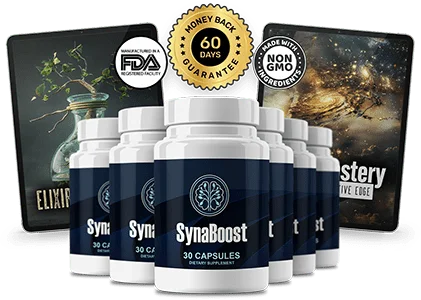
The bottom line
The best foods for brain health and memory are the ones a nutritionist has recommended for decades: fish, greens, berries, eggs, nuts, whole grains and healthy fats, eaten consistently and built around steady blood sugar. No single meal transforms your memory, but a good everyday pattern — supported where helpful by a quality supplement — gives your brain exactly what it runs on.
FAQ
What are the best foods for brain health?
Some of the most consistently recommended brain-supporting foods are oily fish for omega-3s, leafy greens for folate and vitamin K, berries for antioxidants, eggs for choline and B12, nuts and seeds for vitamin E and healthy fats, and whole grains and legumes for steady energy and B-vitamins. A varied, mostly-whole-food pattern matters more than any single “superfood”.
What foods are bad for memory and focus?
Foods that spike and crash blood sugar — sugary drinks, sweets and heavily refined carbohydrates — can leave you foggy and unfocused. Very high intakes of ultra-processed foods, excess alcohol and diets low in whole foods are also linked with poorer cognitive wellbeing over time. Skipping meals altogether starves the brain of steady fuel.
Can diet really improve memory?
Diet supports the brain rather than instantly boosting it. Eating patterns rich in vegetables, fish, whole grains, nuts and healthy fats — such as the Mediterranean-style pattern — are associated with better cognitive wellbeing in research. The effect comes from consistency over months and years, not a single meal.
Do I still need a supplement if I eat well?
A whole-food diet should always come first. Even so, common gaps — B12 for people who eat little animal food, omega-3s for those who rarely eat fish — can be hard to close through food alone. A quality B-vitamin and botanical supplement can help cover shortfalls, but it works alongside good eating, not instead of it.
How soon after changing my diet will I notice a difference?
Steadier meals that avoid blood-sugar crashes can smooth out afternoon focus within days. The deeper benefits of a brain-supporting diet build gradually over weeks and months of consistent eating, which is why the goal is a sustainable everyday pattern rather than a short-term push.
References
- Harvard T.H. Chan School of Public Health — The Nutrition Source: healthy eating patterns and the brain. nutritionsource.hsph.harvard.edu
- National Institutes of Health, Office of Dietary Supplements — Omega-3 Fatty Acids and B-Vitamin fact sheets. ods.od.nih.gov
- Examine.com — independent research summaries on choline, omega-3s and cognition. examine.com
- Examine.com — independent research summary on Bacopa monnieri and memory. examine.com/supplements/bacopa-monnieri
- PubMed (U.S. National Library of Medicine) — research literature on the Mediterranean diet and cognitive health. pubmed.ncbi.nlm.nih.gov
† These statements have not been evaluated by the Food and Drug Administration. This product is not intended to diagnose, treat, cure or prevent any disease. This article is for general information only and is not medical advice. If you are pregnant, nursing, taking medication or have a health condition, consult your physician before starting any supplement.